A very pleasant atmosphere in pleasant surroundings. Dr. Pees gave me knowledgeable advice that was easy to understand.
I am very satisfied with the result of my treatment. I would be very happy to recommend the practice.
Bodywise private practice in Heidelberg-Neuenheim
Hyaluronic acid filler treatment in Heidelberg
Hyaluronic acid fillers for selected volume changes and facial contours. Personally assessed, individually planned and medically treated by Dr Michael Pees.Individually planned hyaluronic acid treatment, following a medical examination, consultation and informed consent.
Personal advice at Bodywise
Treatment that takes your proportions into account
Filler treatment depends on the interplay of facial anatomy, tissue and proportions. Dr Michael Pees assesses whether hyaluronic acid is appropriate for your findings and the change you would like to achieve.
The treatment goal, product, amount of material and costs are determined after a personal examination. Previous treatments, medical history and possible alternatives also inform the plan.
UNDERSTANDING HYALURONIC ACID
What hyaluronic acid filler treatment does
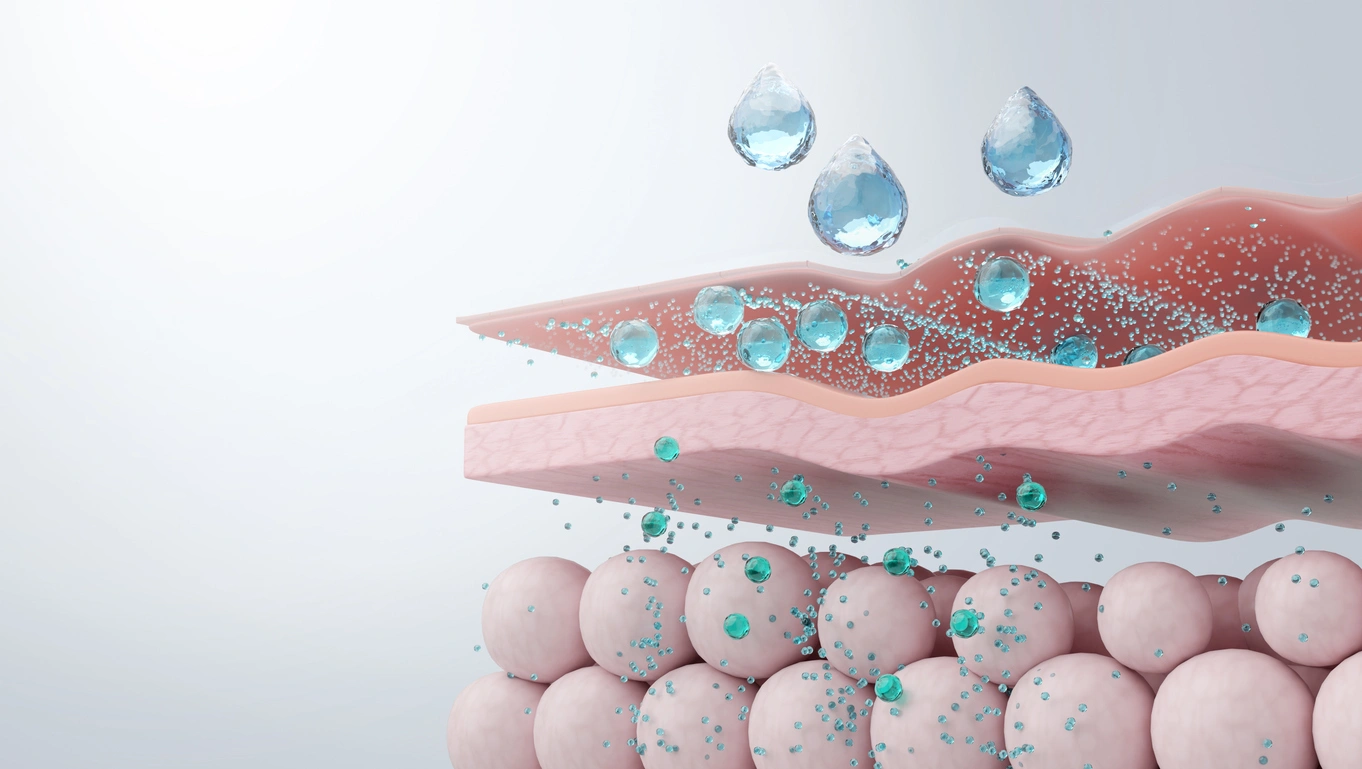
Hyaluronic acid is a natural component of various tissues in the body and can bind water. For use as a filler, it is processed into an injectable gel. The gel occupies a defined volume within the tissue and can therefore support selected structures or address a localised difference in volume.
Hyaluronic acid fillers are not a uniform product group. Products differ in properties such as firmness, shape retention, flexibility, water binding and how they break down in the body. These characteristics need to suit the intended area, the condition of the tissue and the treatment goal. A product suited to one purpose is therefore not automatically appropriate for every other use.
“Filler” is a general term for injectable filling materials. Hyaluronic acid fillers are one subgroup; not every filler contains hyaluronic acid. A hyaluronic acid cream is also not comparable to an injectable medical device: it works at the skin's surface and does not produce a targeted volume effect in deeper tissue.

INDIVIDUALLY PLANNED
Which treatment goals may be suitable for hyaluronic acid fillers?
At Bodywise, filler treatment is not planned solely around a wish for “more volume”. The first step is to establish the actual findings and what change might be achieved with an appropriate amount of material.
- Addressing a clearly localised volume change where missing or displaced volume contributes to the findings.
- Supporting a selected facial contour where the anatomy and proportions make this appropriate.
- Reducing a noticeable difference in volume between the two sides, without promising complete symmetry.
- Making a subtle change to a transition or contour where adding volume appears appropriate for the anatomy and proportions.
The amount of material alone does not describe the result. One millilitre is a measure of quantity, not a standardised “treatment unit” or an indication of how noticeable a change will be. The initial findings, tissue, product and placement influence the outcome alongside the amount used.
Not every wrinkle or contour change is a volume problem
A visible hollow can arise from several factors: muscle activity, skin quality, tissue displacement, anatomical transitions or actual volume loss. If additional material is introduced too quickly when volume is not the main cause, the face may look fuller without meaningfully improving the concern.
Expression lines
Lines that mainly appear during movement are related to muscle activity. Hyaluronic acid fillers add volume and are therefore not suitable for every wrinkle. The appropriate treatment is discussed after a medical examination.
Skin quality and fine surface changes
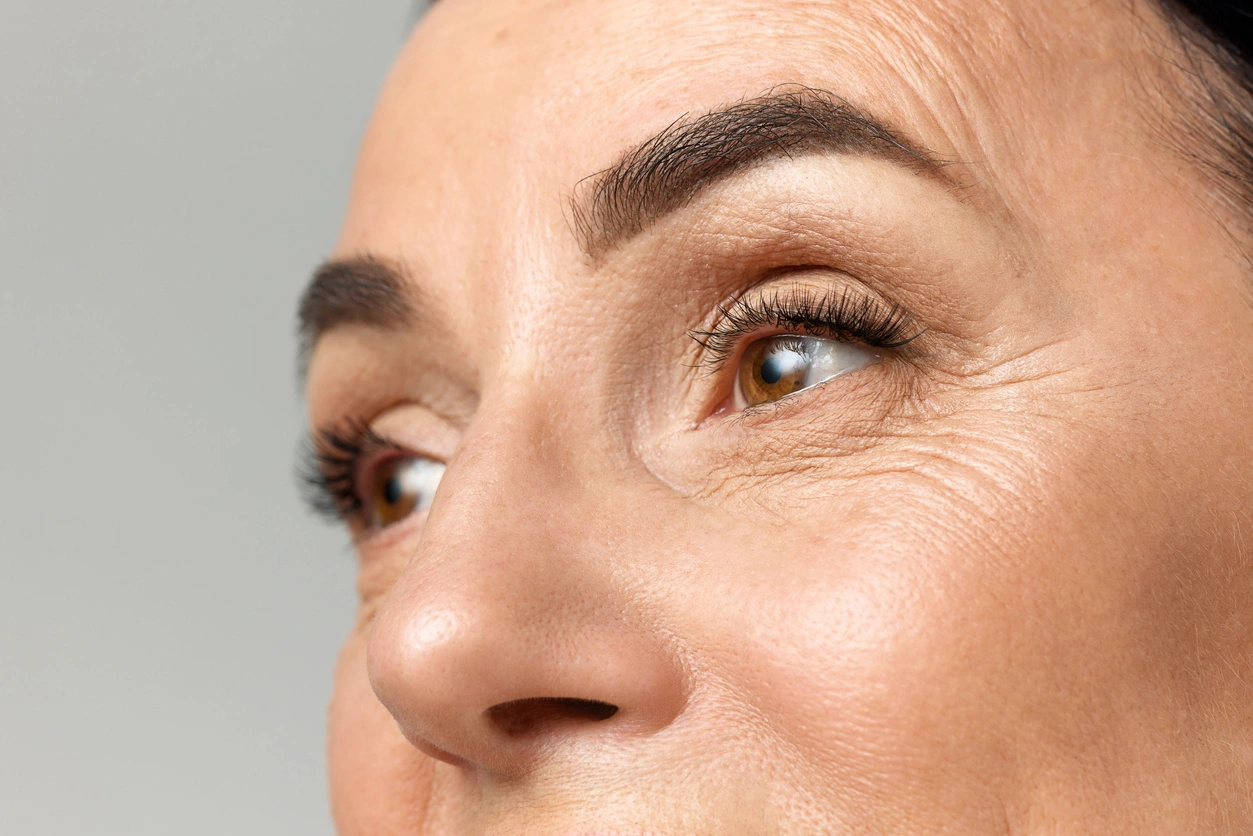
Fine lines, dryness or changes in skin texture are not automatically caused by a lack of volume. Depending on the findings, other procedures or no injectable treatment may be more appropriate. A volume filler is not intended to correct every change at the skin's surface.
Pronounced tissue laxity or structural changes
Fillers can support existing structures but do not replace surgery. Treatment may be advised against where there is significant excess skin or tissue, pronounced laxity or findings that would be worsened by adding volume.
ANATOMY AND PROPORTIONS
Why facial anatomy, proportions and previous treatments matter
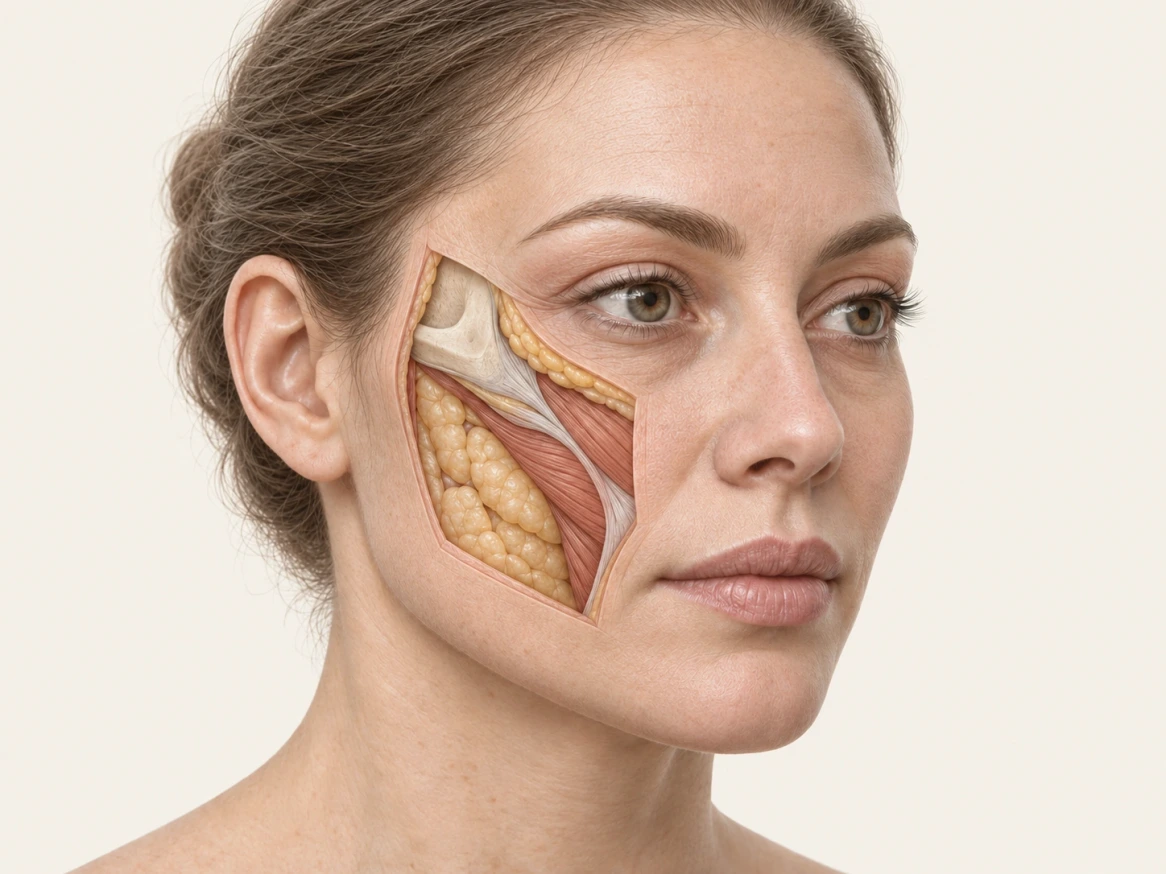
The face consists of several layers and structures: skin, subcutaneous tissue, fat compartments, connective tissue, muscles, blood vessels and the underlying bones. These layers do not change in the same way in everyone. Sound planning therefore considers the findings in context, rather than focusing on a single line.
Anatomy and proportions
Dr Pees assesses the face at rest, in motion and from several angles. Existing asymmetries are taken into account because no face is a mirror image from one side to the other. The key question is whether adding volume would appropriately support the existing proportions or create new imbalances elsewhere.
Skin and tissue
Skin thickness, elasticity, tissue mobility, tendency to swell and previous healing patterns influence how a filler behaves and how predictable the planned change is. Whether the tissue offers sufficient support or has already descended noticeably can also affect the assessment of suitability.
Previous aesthetic treatments
Existing fillers may still be relevant even if treatment took place some time ago. Information about the product, date, area, amount and any reactions, as well as available treatment records, is helpful. If the previous material is unknown or there are lumps, recurring swelling or other unexplained symptoms, further assessment may be needed first.
Medical history
The medical history includes conditions, allergies, previous severe allergic reactions, current infections and all regularly or occasionally taken medicines and supplements. Substances that affect blood clotting may increase bruising or bleeding. Prescribed medication must not be stopped or changed independently for an aesthetic treatment.
Hyaluronic acid fillers and skin quality: different treatment goals
| Procedure | How it works | What it does not automatically do |
|---|---|---|
| Hyaluronic acid fillers | Add volume and can support selected contours or tissue structures. | Do not automatically address facial muscle activity or every change at the skin's surface. |
| Procedures for skin quality | Target features such as skin texture or hydration, depending on the method and product. | Do not automatically create a defined contour and are not equivalent to a volume filler. |
Volume and skin quality describe different treatment goals. The table distinguishes these goals; it does not recommend combining procedures. Each additional treatment requires its own medical indication, informed consent and assessment of benefits and risks.
STEP BY STEP
Your filler treatment journey at Bodywise
Booking online does not determine the product or amount of material. Treatment at the first visit is not guaranteed; unanswered questions, missing records or medical reasons may mean that the appointment is limited to consultation and examination.
Discussing your concerns and history
You describe the change that concerns you, when it is visible and what you specifically do not want changed. The discussion also covers medical conditions, allergies, medicines, supplements, previous treatments and any reactions at the time.
Examining the face and tissue
Dr Pees assesses the findings at rest and in motion, taking into account anatomy, proportions, skin, tissue, asymmetries, tendency to swell and any previous treatments.
Assessing suitability, alternatives and limitations
Only the examination can determine whether a hyaluronic acid filler is suitable. Other procedures, a smaller treatment scope, a later appointment or choosing not to have treatment are also discussed.
Agreeing the treatment plan and costs
Before you give consent, the intended area, product, planned amount of material, expected course, common reactions, relevant risks, aftercare and anticipated total costs are explained.
Treatment by the doctor
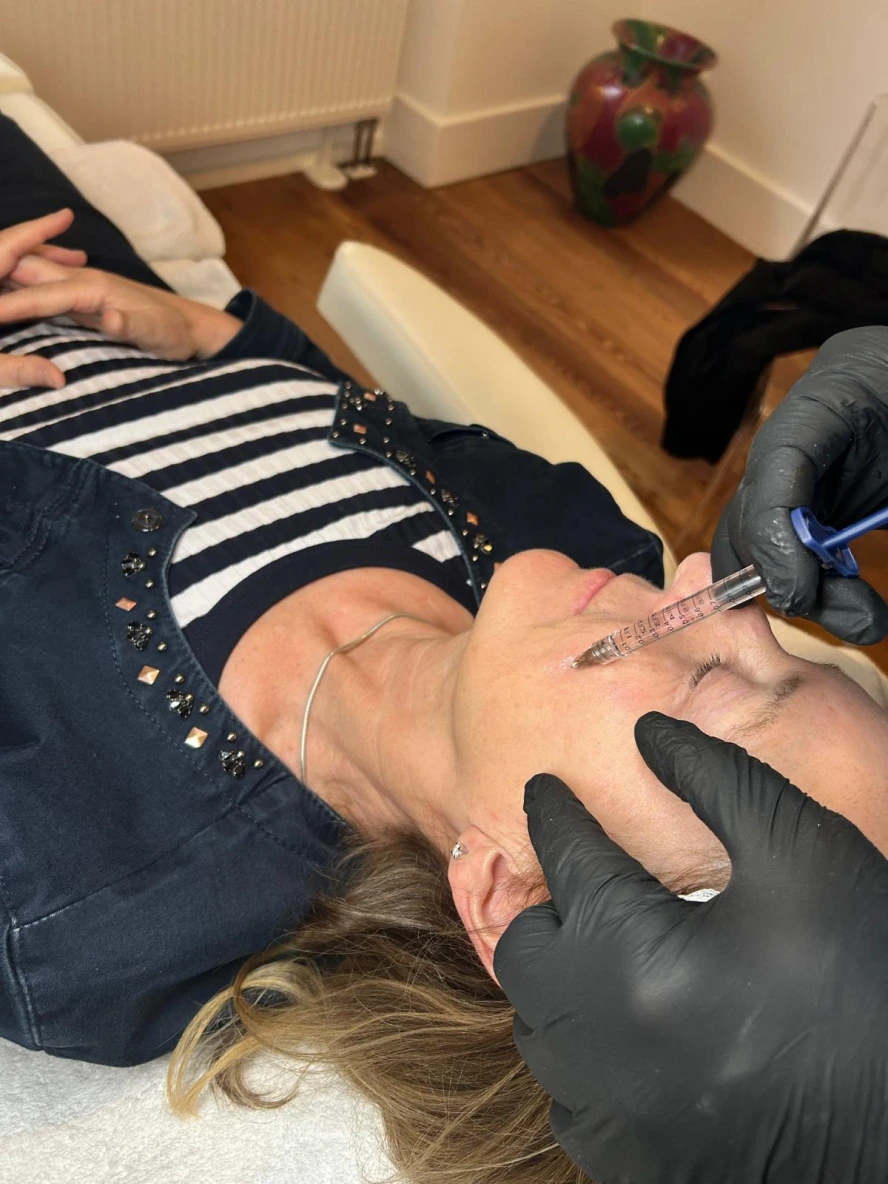
Once the examination, information and consent process is complete, the skin is hygienically prepared and the selected product is injected according to the agreed plan. The scope or approach may be adjusted if the findings require it.
Aftercare and follow-up needs
You receive specific guidance for the treated area, including which reactions to expect, when you should get in touch and how to contact the practice if you have symptoms.

Results and progress
Results and their development over time
The first visible change is not the final result
A volume effect may be visible immediately after injection. At the same time, swelling, redness, tenderness or bruising can temporarily change the appearance. The first look in the mirror is therefore not suitable for a final assessment.
How quickly the treated area settles depends on the product, area, amount of material, tissue and individual response. Many local reactions subside within days to a few weeks; a fixed timeframe cannot be promised in an individual case.
Duration depends on the product and individual findings
Hyaluronic acid fillers are intended to have a temporary effect and are broken down by the body over time. The duration of a visible effect depends on factors including the chosen product's properties, the treatment area, tissue movement, metabolism, amount of material and any previous treatments.
General claims such as “always lasts twelve months” are therefore not reliable. Dr Pees can provide more specific guidance only once the product, area and treatment plan have been agreed. A later top-up should also be decided after a fresh examination, rather than by the calendar alone.
What filler treatment cannot achieve
- A photograph, filter or another person's result cannot be reproduced exactly in your own anatomy.
- Complete symmetry is neither the natural starting point nor a reliable treatment promise.
- A hyaluronic acid filler does not produce a permanent result or prevent further changes related to age or weight.
- Not every wrinkle, skin change or contour can be appropriately addressed by adding volume.
- Significant excess skin or tissue cannot be corrected by injection in the same way as by surgery.
- Even properly planned and performed treatment is not free from side effects and complications.
- The amount of material needed and the achievable scope cannot be determined responsibly without a personal examination.
Make an informed decision
Safety and aftercare
What you should know before and after treatment. Dr Pees will discuss your personal questions during the medical consultation.

Common reactions, less common complications and warning signs
Filler treatment is a medical procedure. The information provided covers both common, usually temporary reactions and rare complications for which rapid action can be crucial.
Common, usually temporary reactions
- swelling, redness and warmth in the treated area
- tenderness, pain or a feeling of tightness
- bruising at the injection sites
- itching, temporary firmness or palpable unevenness
- an initially uneven effect while swelling is present
Severity and duration vary. A reaction that worsens instead of settling requires a different assessment from mild swelling immediately after treatment.
Less common but relevant complications
- infection or a delayed inflammatory reaction
- lumps, granulomas or longer-lasting areas of firmness
- an allergic reaction to components of the product used
- persistent unevenness, displacement of the material or an unwanted change in contour
- open sores, impaired wound healing or tissue damage
The most serious rare complication is unintended interference with the blood supply, for example if filler enters or blocks a blood vessel. Possible consequences include tissue death, permanent skin damage, visual disturbances including loss of vision and, in very rare cases, a stroke.
When treatment may be postponed or not recommended
Whether filler treatment is appropriate is decided individually and with reference to the specific product being considered. The following examples are not a complete list of contraindications, but illustrate typical reasons to postpone treatment, investigate further or recommend against it.
- inflamed, infected, broken or significantly sunburnt skin in the intended treatment area
- acute illness, fever or an infection that has not yet been clarified
- pregnancy or breastfeeding, because reliable safety data are lacking in these situations
- known hypersensitivity to components of the intended product or a relevant history of severe allergic reactions
- a blood-clotting disorder or medication situation requiring medical assessment beforehand
- unknown previous filler material, a permanent filler or symptoms from an earlier treatment that have not yet been assessed
- recurring swelling, lumps, signs of inflammation or incompletely healed procedures in the affected area
- current immunosuppressive treatment or other conditions that may affect healing and infection risk
- a treatment goal that cannot reliably be achieved given the anatomy, or where adding volume would be likely to worsen the proportions
- an unfavourable balance between expected benefit and possible risks
Infections, vaccinations or dental procedures close to the treatment date may also be relevant to planning, as delayed inflammatory reactions at filler sites have been reported. This does not imply a general prohibition; timing is assessed during the medical consultation.
Aftercare: what matters after injection
Specific aftercare depends on the product, treatment area and progress. General rules found online do not replace the practice's individual guidance.
- Do not rub, press firmly on or massage the treated area yourself. Only shape or cool it as specifically demonstrated.
- While noticeable swelling, redness, warmth or tenderness remains, avoid saunas, intense heat exposure and very strenuous exercise.
- Do not independently start, stop or change medicines to influence swelling or bruising.
- Allow enough time before important work or personal events, because the extent and duration of swelling or bruising cannot be predicted precisely.
- Contact the practice if symptoms increase rather than subside, or if you develop fever, discharge, new lumps or delayed swelling, and explicitly mention your earlier filler treatment.
- Act immediately if you experience the vascular, visual or neurological warning signs described above, and do not wait for a routine response.
Costs and appointments
Costs of filler treatment at Bodywise
Amount and total cost determined after examination
The amount appropriate for your findings is determined only after a personal examination. The planned scope and expected total cost are explained before treatment.
The price of €250 applies to 1 ml of hyaluronic acid filler. It does not imply a minimum amount needed or a particular result. Less or more material may be appropriate depending on the findings; the examination may also lead to a recommendation against filler treatment.
At Bodywise, medical services are billed in accordance with the German medical fee schedule (GOÄ). A purely aesthetic consultation and treatment are different appointment types. The cost of a consultation-only appointment and whether treatment is possible at the first visit should be clarified with the practice in advance.
Personal care for you
Your treating doctor: Dr Michael Pees
Dr Michael Pees is a specialist in surgery with many years of experience in senior roles in aesthetic surgery.
At Bodywise, he provides consultations, examinations, assessment of suitability, information and medical treatment. His surgical training and long-standing experience in senior clinical responsibility are relevant when assessing anatomy, tissue, proportions and potential complications.
Experience does not make injectable treatment risk-free. It is also reflected in explaining limitations, recommending a smaller amount of material, arranging further assessment, postponing an appointment or advising against treatment when the expected benefit is not convincing.
FREQUENTLY ASKED QUESTIONS
Questions about hyaluronic acid filler treatment
What is the difference between hyaluronic acid and a filler?
Hyaluronic acid is a substance found naturally in the human body that can bind water. “Filler” is the general term for injectable filling materials. A hyaluronic acid filler is a processed gel based on hyaluronic acid; not every filler contains hyaluronic acid.
Which concerns may be suitable for a hyaluronic acid filler?
It may be suitable for selected, clearly localised volume changes or to support certain facial contours. Whether adding volume actually addresses the cause of your concern is determined during the examination. A volume filler is not automatically the right procedure for lines caused purely by facial movement, pronounced skin laxity or every type of skin texture change.
Are hyaluronic acid fillers suitable for every wrinkle?
No. Hyaluronic acid fillers add volume and may support selected contours. Lines caused mainly by muscle activity or changes in the skin surface are not automatically caused by a lack of volume. Suitability is assessed during a medical examination.
When is the result visible and when can it be assessed?
An initial volume effect may be immediately visible. However, swelling, redness or bruising can temporarily distort the appearance. A reliable assessment is only appropriate once the early reactions have largely settled. The exact timeframe depends on the product, area, amount, tissue and individual response.
How long does hyaluronic acid filler treatment last?
The effect is temporary because the material breaks down over time. Duration varies according to the product, area, tissue movement, metabolism, amount of material and previous treatments. A specific estimate in months is only meaningful after the treatment plan has been agreed and remains a guide, not a guarantee.
How many millilitres are needed and how much does treatment cost?
At Bodywise, filler treatment costs €250 per 1 ml. The amount appropriate for the findings and the total cost are determined only after the medical examination. One millilitre describes the amount of material, not the strength or quality of the result.
What information about previous treatments and medication is important?
If possible, bring information about previously used fillers, the treatment area, date, amount and any reactions at the time. List all medicines and supplements, particularly those affecting blood clotting, as well as allergies, medical conditions and current infections. Prescribed medication must not be stopped independently.
Can a hyaluronic acid filler be dissolved?
Hyaluronidase can break down hyaluronic acid and may be used for certain medical or aesthetic corrections. It does not work on every filling material and is not a guaranteed “undo button”. The material, area and cause of the findings must be assessed first; corrective treatment also has its own risks, including allergic reactions. Further information is available on our page about filler correction in Heidelberg.
Other services at Bodywise
-
At a glance
Aesthetic medicine
Explore medical services, personal consultations and individual treatment planning at Bodywise.
Learn more -
Facial expression
Expression line treatment
Medical assessment of expression lines: suitability, limitations and risks before a treatment decision.
Learn more -
Jaw muscles
Jaw muscle treatment for bruxism
Medical assessment and treatment planning for overactive jaw muscles and bruxism.
Learn more
Patient reviews
What our patients say
Selected Google reviews about consultations and treatment at Bodywise – Dr. Michael Pees. Translated from German.
As of
Private practice in Heidelberg-Neuenheim
Your consultation for hyaluronic acid fillers
You do not need to choose a product or desired amount before booking an appointment. A medication list and, where available, information or records about previous aesthetic treatments are helpful.