A very pleasant atmosphere in pleasant surroundings. Dr. Pees gave me knowledgeable advice that was easy to understand.
I am very satisfied with the result of my treatment. I would be very happy to recommend the practice.
Bodywise private practice in Heidelberg-Neuenheim
Medical assessment and consultation for bruxism in Heidelberg
For teeth grinding, clenching and jaw muscle symptoms, Dr Michael Pees assesses the findings and medical history. The consultation establishes whether further assessment is needed and whether treatment may be appropriate.
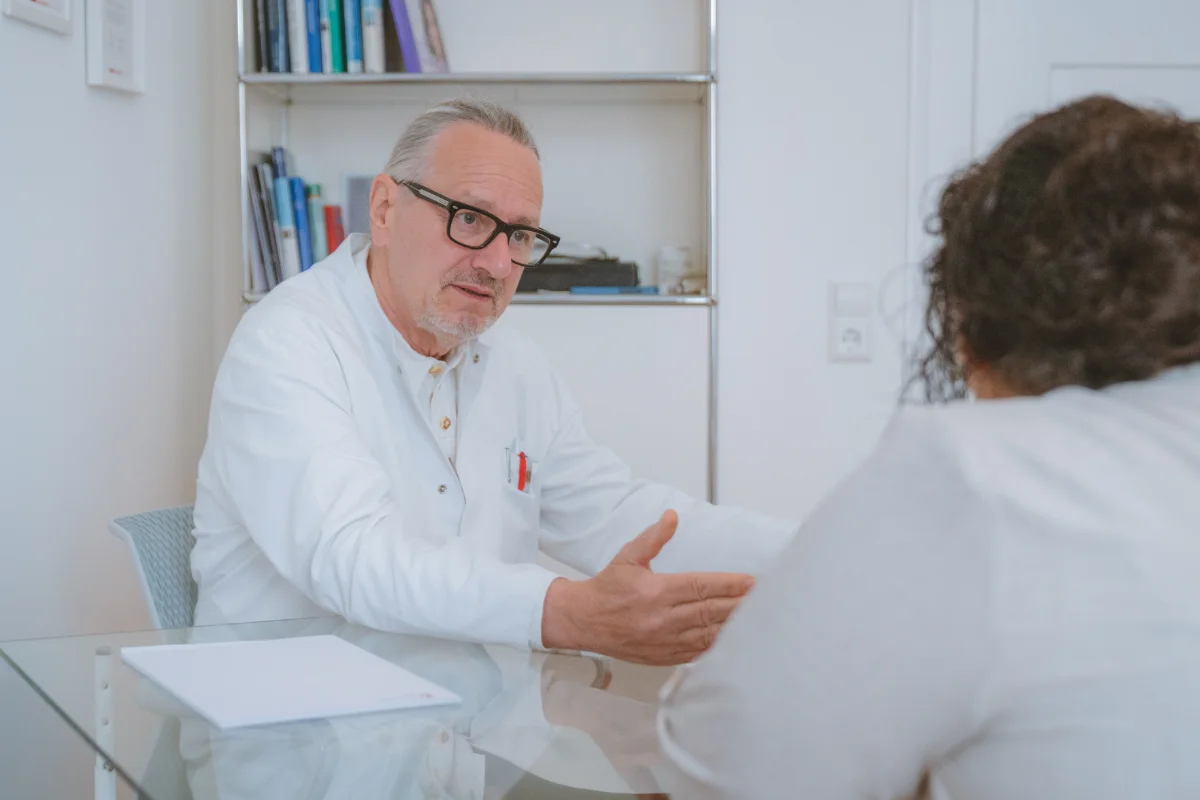
Personal advice at Bodywise
Assessing symptoms and medical history
Teeth grinding, clenching and jaw muscle symptoms can have different causes. Dr Michael Pees examines your symptoms and considers previous treatments, medical conditions and medicines. This does not determine a specific treatment in advance.
Possible triggers and accompanying measures are assessed separately. A dental assessment or protective splint may still be necessary. The following sections explain the limitations and risks of botulinum toxin and its off-label use.
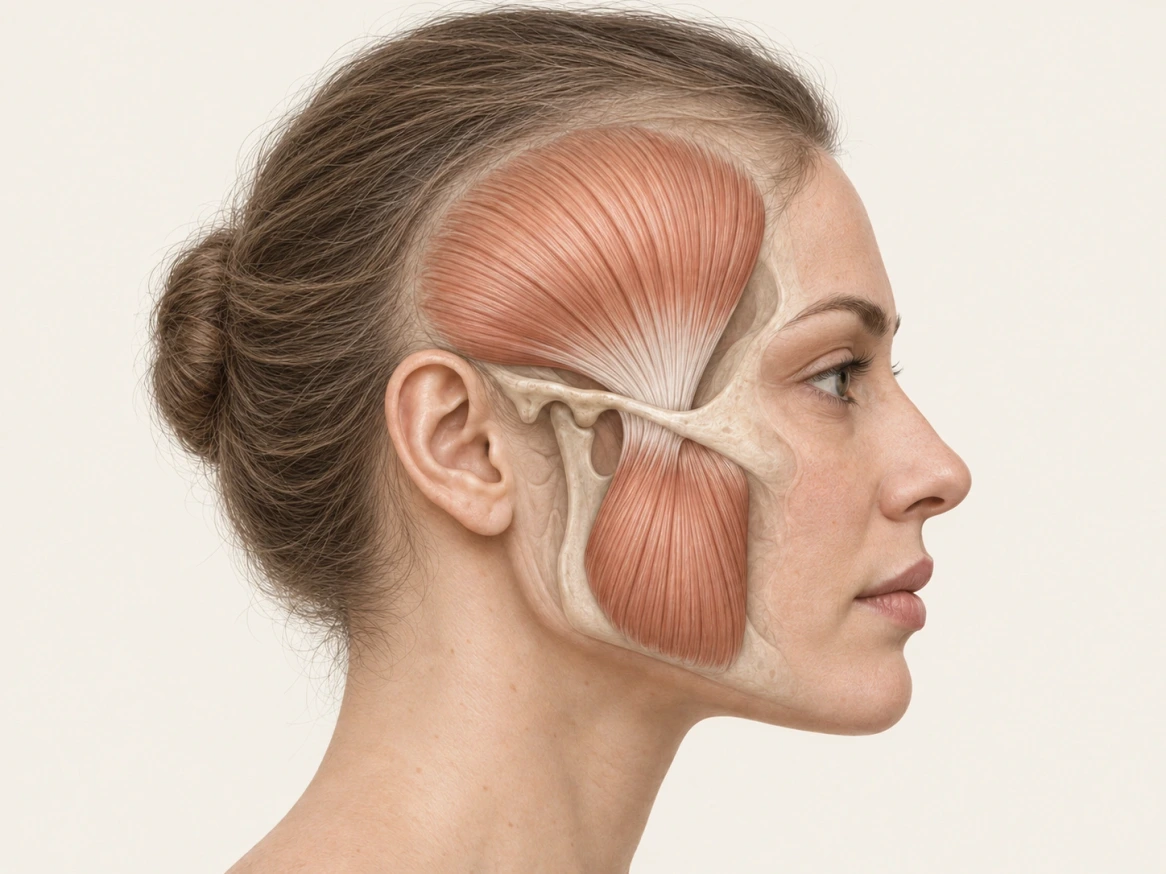
UNDERSTANDING THE JAW MUSCLES
Bruxism is more than audible teeth grinding
In sleep bruxism, jaw muscle activity occurs during sleep. Some people grind audibly, while others mainly clench without making typical grinding sounds. Awake bruxism occurs during the day, for example as repeated or sustained tightening of the jaw muscles, clenching the teeth or holding the lower jaw rigidly.
Bruxism is not automatically a disorder in every person. What matters is whether it creates a risk or a specific need for treatment. A sound assessment therefore considers not only reported symptoms, but also the clinical findings, whether the activity occurs during sleep or wakefulness and, where necessary, an additional assessment by a dentist, physiotherapist or sleep specialist.
ASSESSING YOUR SYMPTOMS
Possible signs of overworked jaw muscles
Symptoms can vary in severity and are not specific to bruxism. Possible signs include:
- morning tension, tiredness or tenderness around the jaw
- painful or noticeably enlarged jaw muscles
- repeated clenching or tightening during the day
- jaw, facial or head pain in which a muscular component is suspected
- dental wear, tooth damage or strain on dental restorations identified by a dentist
- symptoms around the jaw joints or limitations in jaw function
These symptoms can also have other causes. Treatment should therefore not be planned on the basis of a single symptom or self-diagnosis alone.
How botulinum toxin affects the jaw muscles
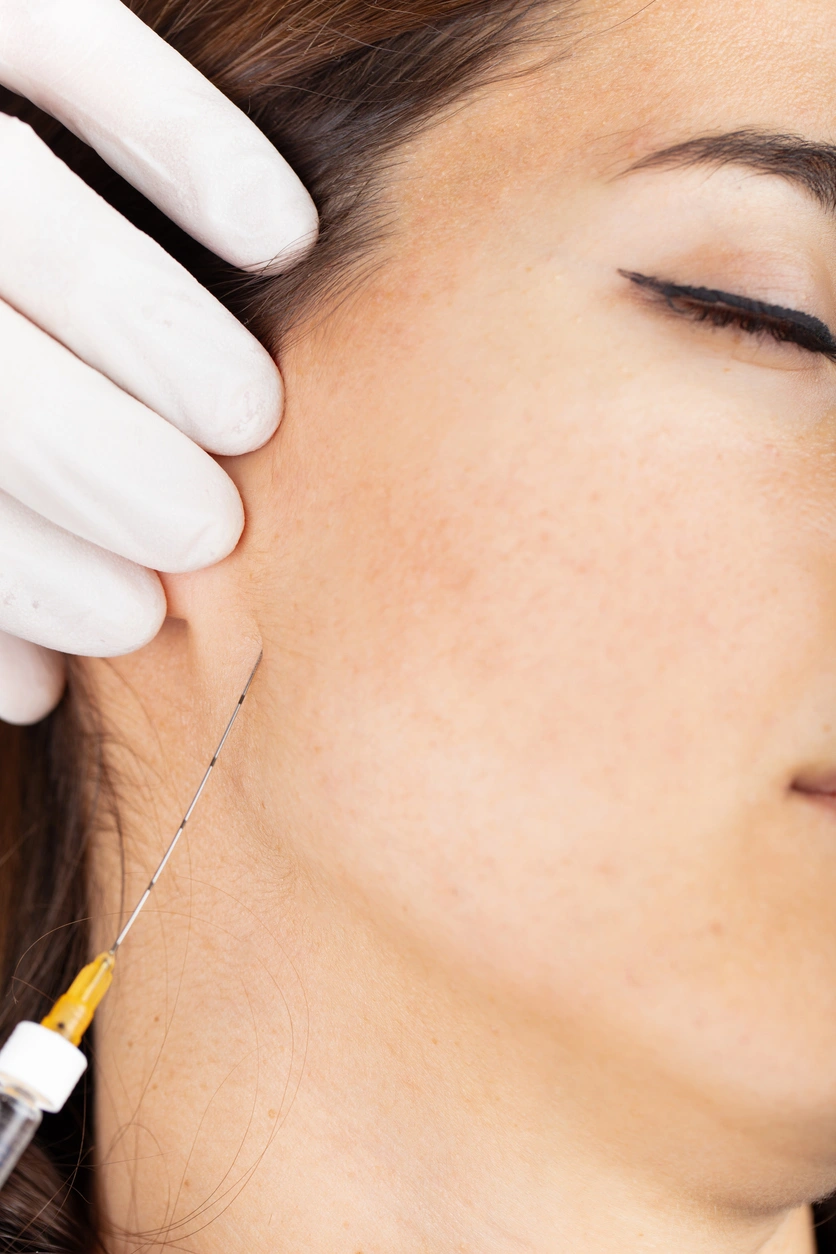
Botulinum toxin temporarily inhibits signal transmission between nerves and muscles. When injected into selected areas of the chewing muscles, it can temporarily reduce their contraction force. In suitable adult patients, this may help reduce excessive muscle activity, high loading forces or symptoms with a muscular component.
However, treatment does not eliminate the underlying causes of bruxism. Centrally controlled activity may continue while the force of the treated muscles decreases. Psychological strain, sleep disorders, medication, alcohol or other stimulants, pain and other contributing factors are not automatically changed by an injection either.
The same mechanism is used in expression line treatment. In bruxism, however, the focus is on the jaw muscles and their function; the findings and treatment goal are assessed independently.

Options and limitations
Treatment goals and limitations
Depending on the findings, the treatment goal may be to reduce the activity or force of overworked jaw muscles and thereby ease muscle-related symptoms. In some patients, pronounced tension in the jaw area may also decrease.
It is not realistic to expect botulinum toxin to eliminate every cause of bruxism, reverse dental damage or treat every form of jaw, head or facial pain. Significant existing damage to teeth, dental restorations or jaw joints requires a separate assessment by a dentist or relevant specialist.
The absence of audible grinding does not prove that muscle activity has stopped. Equally, a reduction in muscle force does not automatically mean complete relief from symptoms.
The scientific evidence
The current German S3 guideline on the diagnosis and treatment of bruxism lists botulinum toxin injections into the jaw muscles as an option that may be considered in adults. At the same time, the evidence remains limited: studies suggest possible improvements in pain, muscle activity and loading force, but differ in patient selection, dosage, target muscles and outcome measures. They do not provide a guarantee of effectiveness or success.

Considering the whole clinical picture
Why causes and contributing factors need assessment
Bruxism involves multiple factors. Sleep quality, stress and tension, certain medications or substances, pain, neurological factors and existing dental or jaw findings may all be relevant. A single trigger often cannot be identified.
Before injectable treatment, it is therefore necessary to establish whether the jaw muscles make a substantial contribution to the symptoms. It is equally important to consider whether other measures would be more appropriate first. A dental examination is needed in cases of noticeable tooth wear, damaged restorations, jaw joint symptoms or an unclear bite. Signs of a relevant sleep disorder may require assessment by a sleep specialist.
Treatment as part of a broader approach
Jaw muscle treatment does not inherently conflict with conservative measures. Depending on the starting situation, several approaches can be combined or used in sequence:
- information about the findings, possible contributing factors and realistic goals
- self-monitoring of awake bruxism to become more aware of frequent tightening during everyday life
- relaxation and breathing exercises or progressive muscle relaxation
- physiotherapy for muscular or temporomandibular symptoms
- a dentist-fitted splint to protect teeth and dental restorations
- review of possible medical or medication-related contributing factors
- further dental, neurological or sleep investigations where the findings suggest they are needed
A splint can protect teeth and restorations from the effects of loading, but does not automatically eliminate the underlying muscle activity. Botulinum toxin, in turn, can reduce muscle force but does not replace mechanical dental protection.
Off-label use: what the approval status means
Botulinum toxin is generally not specifically licensed for the treatment of bruxism in Germany. Its use for this purpose is therefore described as off-label. This does not mean that medical use is categorically excluded. It does, however, require a clear medical indication, a particularly careful assessment of benefits and risks, and appropriate information and consent.
During the consultation, you are told why treatment is being considered in your particular case, which alternatives exist, what uncertainties remain in the research and which risks need to be considered. Possible reimbursement should also be clarified with your insurer beforehand.
STEP BY STEP
Your treatment journey at Bodywise
Medical history and symptoms
Dr Pees discusses when and how symptoms occur, whether you are aware of clenching or grinding, what previous treatments you have had and which medical, dental or medication-related factors may be relevant.
Medical examination
The medical assessment examines the jaw muscles, their activity, possible differences between sides and jaw function. Existing dental findings, splints or information about previous treatments may help with the assessment.
Suitability and alternatives
Dr Pees assesses whether a temporary reduction in jaw muscle activity appears appropriate, whether further investigations are needed first or whether conservative measures or care involving other specialties should take priority.
Information and costs
You discuss how the treatment works, realistic benefits, limitations, off-label use, possible side effects, less common risks, aftercare and expected costs. A consultation-only appointment and a treatment appointment serve different purposes; treatment at the first visit is not guaranteed.
Treatment
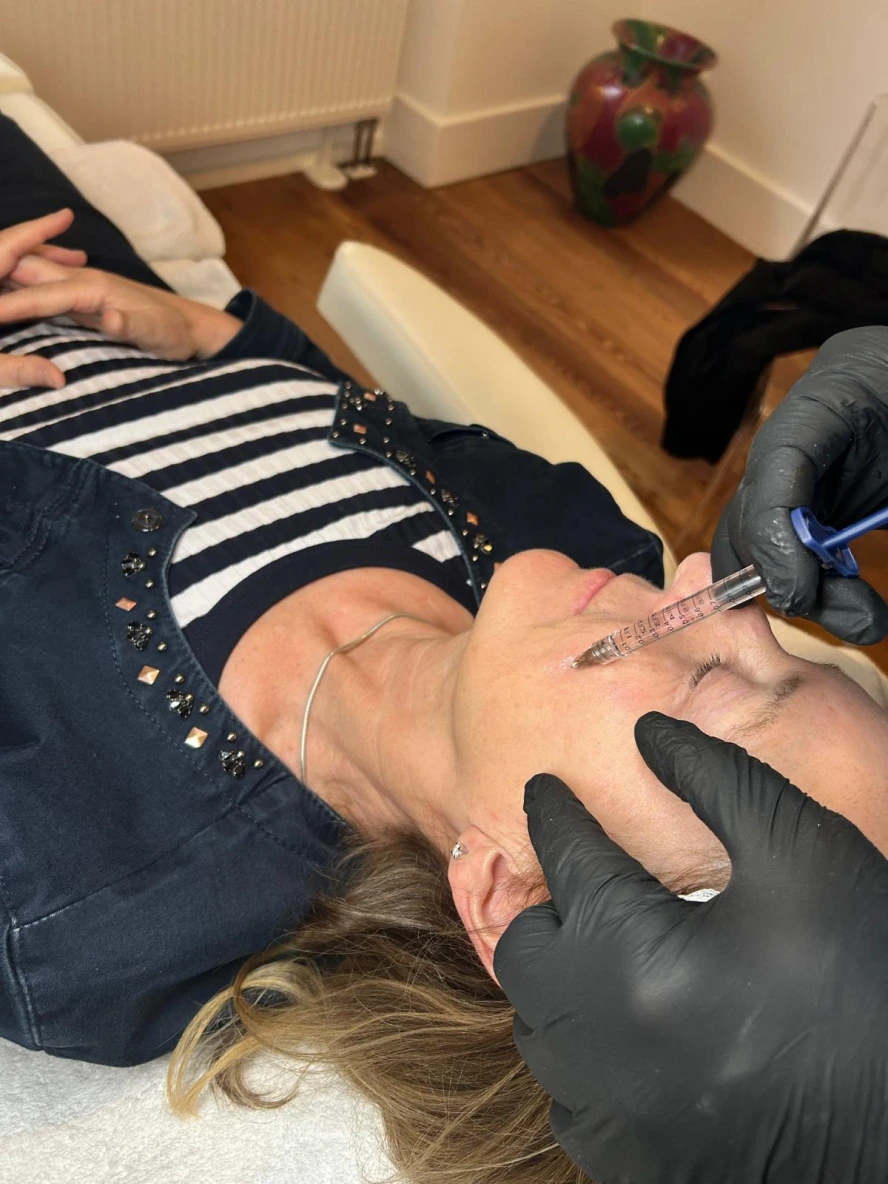
If there is a medical indication and you choose to proceed after receiving the relevant information, botulinum toxin is injected into the areas of the jaw muscles agreed beforehand. The dose and scope depend on the findings, anatomy and treatment goal.
Progress and review
The effect develops gradually. Dr Pees explains when a review is appropriate and which symptoms should prompt you to get in touch sooner. Repeat treatment is not automatic: it is planned after reviewing progress and reassessing suitability.

After treatment
When the effect starts and how long it lasts
Botulinum toxin does not take effect immediately after injection. Initial changes in muscle activity may appear after a few days; the extent of the effect can usually only be meaningfully assessed later. Muscle activity then increases again over time.
The duration varies from person to person. The effect often lasts several months. The muscles treated, dose, initial activity, metabolism, other medical conditions and previous treatments can influence the course. A fixed duration or a specific date for repeat treatment cannot be guaranteed.
Make an informed decision
Safety and aftercare
What you should know before and after treatment. Dr Pees will discuss your personal questions during the medical consultation.

Common temporary reactions
Temporary mild redness, swelling, tenderness, pinpoint bruising or pain at the injection sites may occur after treatment. Chewing may also feel unfamiliar, the muscles may tire more quickly when chewing, or there may be temporary weakness of the treated muscles.
Because the effect is not always identical on both sides, temporary differences may become visible or noticeable. The contours of the sides of the lower face can also change if muscle mass decreases over time.
Less common but relevant risks and warning signs
Relevant risks include excessive weakening of the jaw muscles, unintended effects on neighbouring muscles, changes to the smile or facial symmetry and functional difficulty chewing. Allergic reactions and infections at the injection site are rare but need to be considered.
Muscle mass can change with repeated treatment. The long-term effects of repeated injections on the jaw muscles and nearby structures are not yet fully understood scientifically. This is another reason why each repeat treatment requires a renewed medical assessment.
When treatment may be postponed or declined
Treatment may be unsuitable, or require further assessment first, particularly in cases of infection or inflammatory changes in the intended area, pregnancy or breastfeeding, certain neuromuscular conditions, relevant swallowing or breathing disorders, or medical information that needs clarification.
Certain medications can also affect the treatment's effects or risks. All regular or recently taken medicines and known conditions must therefore be disclosed. Blood-thinning medication must not be stopped independently; its effect on bruising risk is assessed by the doctor.
Dr Pees may also advise against treatment if the symptoms cannot reasonably be attributed to the jaw muscles, if a dental or other specialist assessment is needed first, if conservative measures appear more appropriate or if expectations do not match what can realistically be achieved.
Aftercare
After treatment, you receive specific guidance for the first hours and days, based on your individual findings and the treatment performed. It is important to allow time for the effect to develop and not to assess muscle force immediately after the appointment.
Please contact the practice promptly if symptoms are unexpected or become noticeably worse. Difficulty swallowing, breathing problems, marked general weakness or severe allergic symptoms require immediate medical assessment.
Costs and appointments
Costs of bruxism treatment at Bodywise
The listed amount relates to the treatment described here. Please ask the practice separately about the fee for a consultation without treatment.
What determines the cost
Bodywise lists botulinum toxin treatment for bruxism from €250. The actual fee depends on factors including the findings, dosage and treatment scope. The specific plan and expected total cost are explained before treatment.
Medical services are billed in accordance with the German medical fee schedule (GOÄ). Reimbursement by private health insurance depends on your policy. Because this is off-label use, any potential coverage should be clarified individually beforehand.
Personal care for you
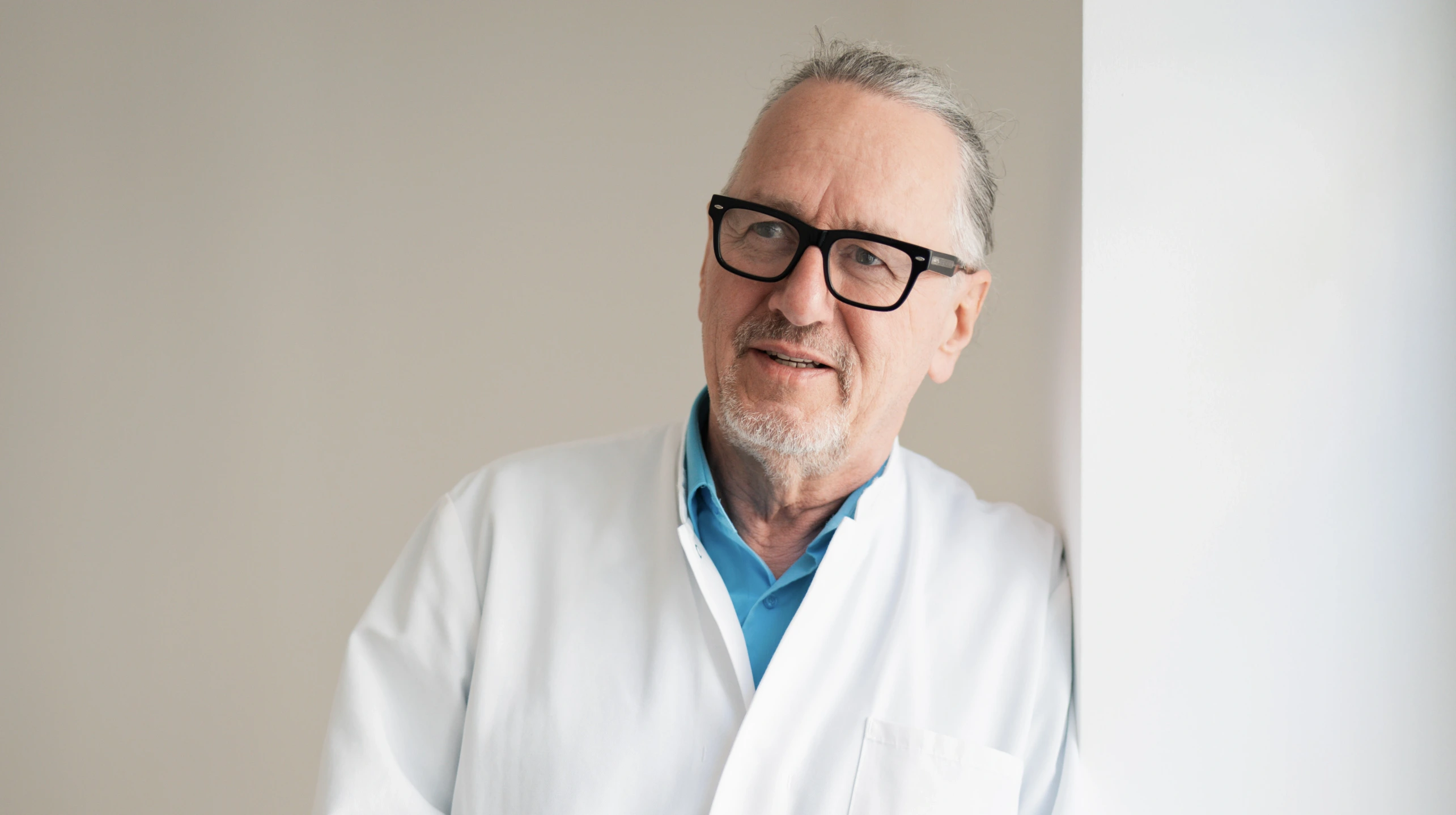
Dr Michael Pees
Specialist in surgery with many years in senior roles in aesthetic surgery
Dr Michael Pees is a specialist in surgery. He spent many years in senior medical roles in aesthetic surgery in Heidelberg, Mannheim and the surrounding region. His surgical training and long-standing clinical responsibility shape his approach to anatomy, clinical findings, function and a clear assessment of benefits and risks.
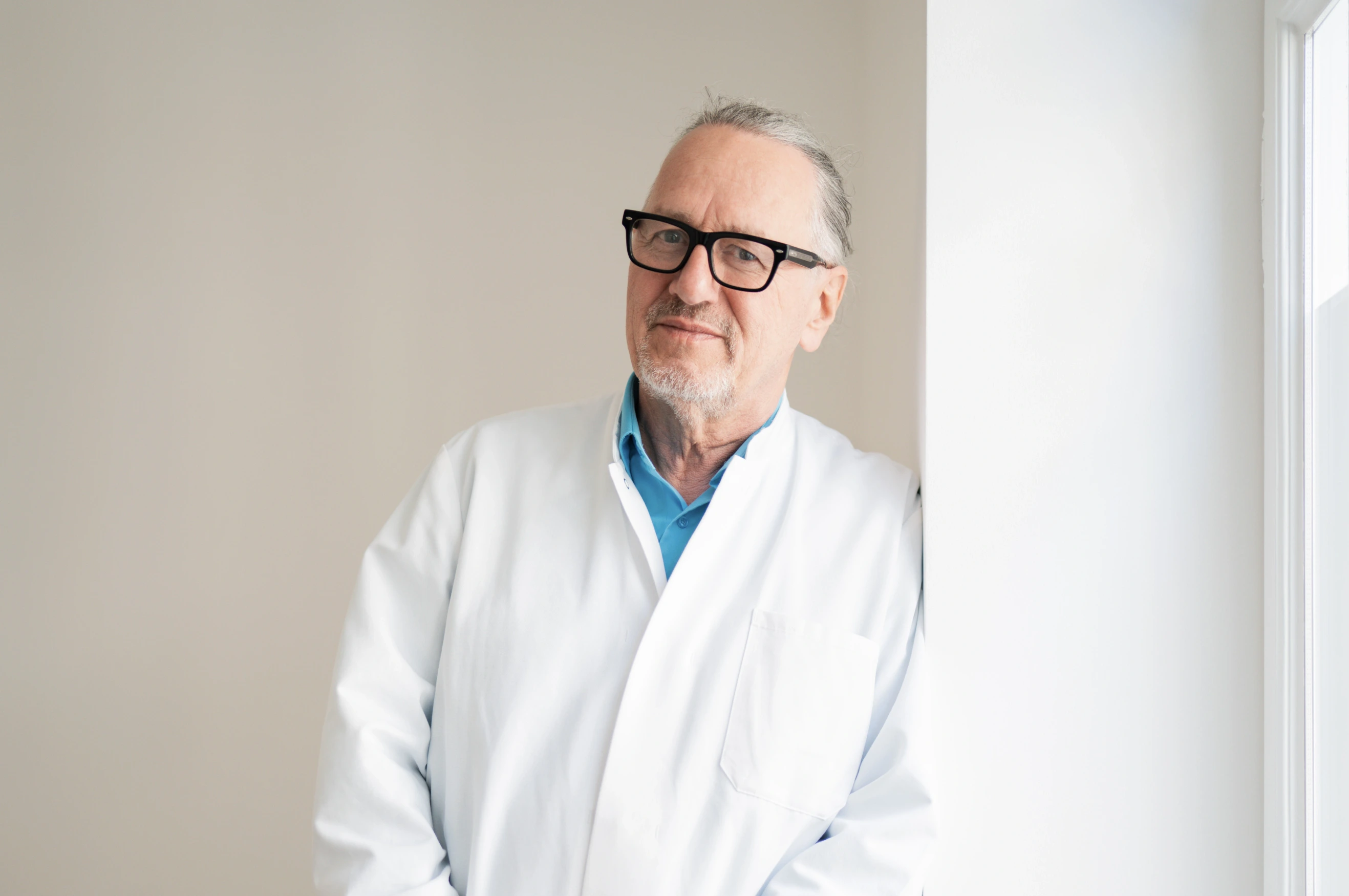
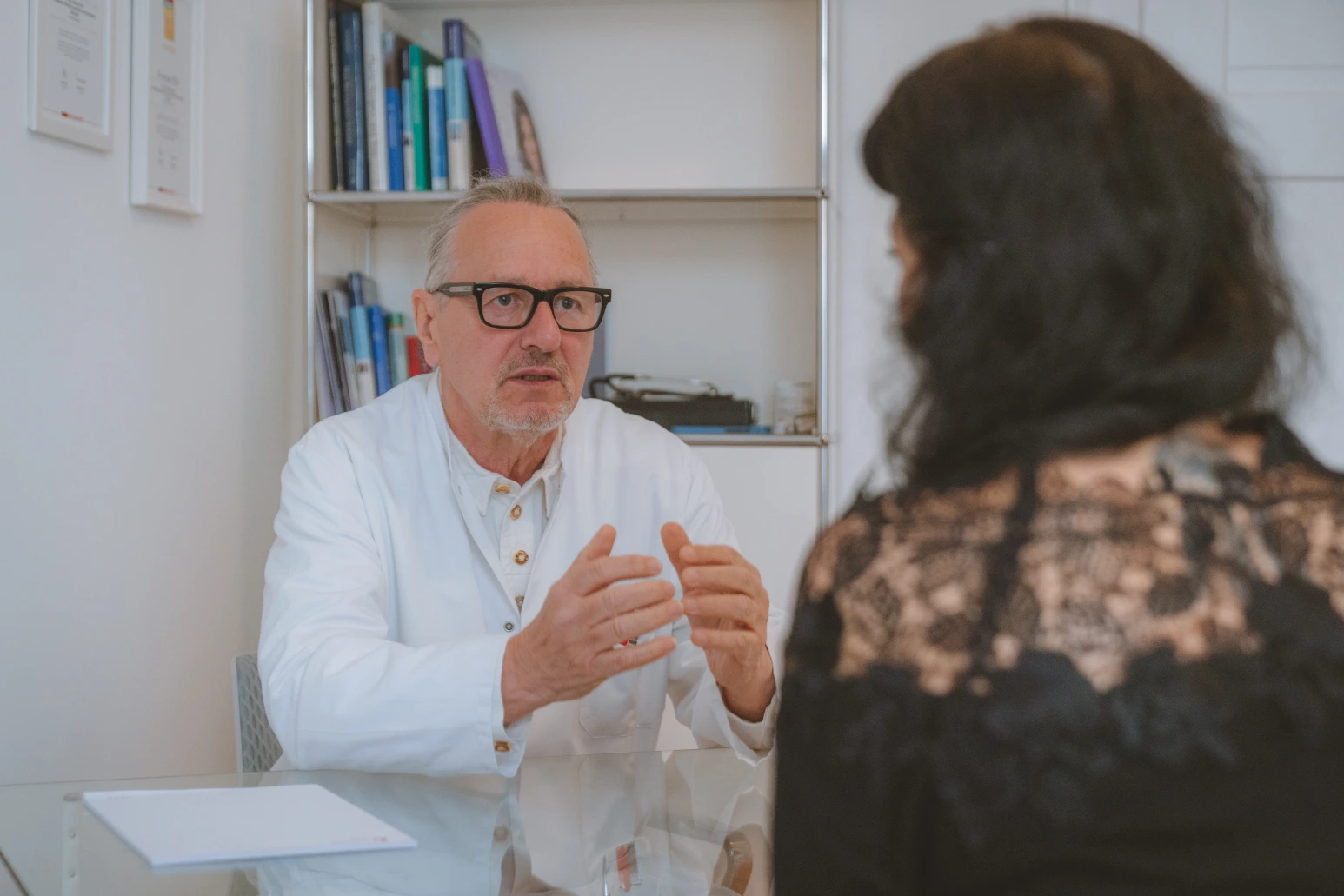
At Bodywise, Dr Pees personally provides consultations, examinations, assessment of suitability, information and medical treatment. For jaw muscle treatment, it is essential to consider not just pronounced muscles, but also the symptoms, possible causes, alternatives and the limitations of treatment.
Dr Michael Pees's professional background and qualifications
Frequently asked questions
Frequently asked questions about jaw muscle treatment for bruxism
Is bruxism the same as teeth grinding?
No. Teeth grinding is one possible form. Bruxism can also mainly involve clenching, sustained tightening of the jaw muscles or other repeated lower-jaw activities. It can occur during sleep or while awake.
Can botulinum toxin cure bruxism?
A cure or the removal of all causes cannot be guaranteed. Botulinum toxin can temporarily reduce the activity and force of selected jaw muscles. Possible triggers and associated conditions are not addressed by this effect.
Does treatment replace a dental splint or visits to the dentist?
No. A dentist-fitted splint can protect teeth and dental restorations from mechanical loading. Botulinum toxin does not provide this protection. A dental examination is necessary in cases of tooth wear, damage, jaw joint symptoms or an unclear bite.
Is botulinum toxin licensed for bruxism?
In Germany, botulinum toxin treatment for bruxism is generally outside its licensed indication and is considered off-label use. A specific discussion of benefits, uncertainties, alternatives and risks is therefore required before treatment.
When does the effect start?
The effect is not immediate. Initial changes may appear after a few days. When the effect can be meaningfully assessed depends on your individual progress and is explained during the consultation.
How long does the effect last?
Botulinum toxin often works for several months. However, the duration cannot be predicted precisely and depends on factors including muscle activity, dose, initial findings and individual characteristics.
Can chewing be affected?
Temporary weakness or quicker fatigue of the treated jaw muscles is possible. An excessive effect can cause functional difficulties. The dose and treatment scope must therefore be based on the individual findings.
How much does treatment at Bodywise cost?
Bodywise lists a price from €250. The exact fee depends on the dosage and treatment scope and is agreed before treatment, following examination and planning.
General questions about appointment types, consultations and the process
Other services at Bodywise
-
At a glance
Aesthetic medicine
Explore medical services, personal consultations and individual treatment planning at Bodywise.
Learn more -
Facial expression
Expression line treatment
Medical assessment of expression lines: suitability, limitations and risks before a treatment decision.
Learn more -
Volume & contours
Hyaluronic acid filler treatment
Learn about hyaluronic acid fillers for volume changes and support of facial contours.
Learn more
Patient reviews
What our patients say
Selected Google reviews about consultations and treatment at Bodywise – Dr. Michael Pees. Translated from German.
As of
Private practice in Heidelberg-Neuenheim
Your personal consultation for bruxism
You can contact the practice to request a medical assessment of teeth grinding or jaw muscle symptoms. Dr Michael Pees discusses the findings, treatment limitations and any need for further dental or specialist assessment. An enquiry does not commit you to treatment.